Demand Planning y previsió

Articles to understand demand planning, forecasting limits, demand signals and how to make better supply chain decisions when forecasts are not perfect.

Demand planning and forecasting are essential for supply chain planning, but better forecasts alone do not solve every planning problem. Markets change, customers shift behavior, promotions distort demand and unexpected events quickly make plans outdated.

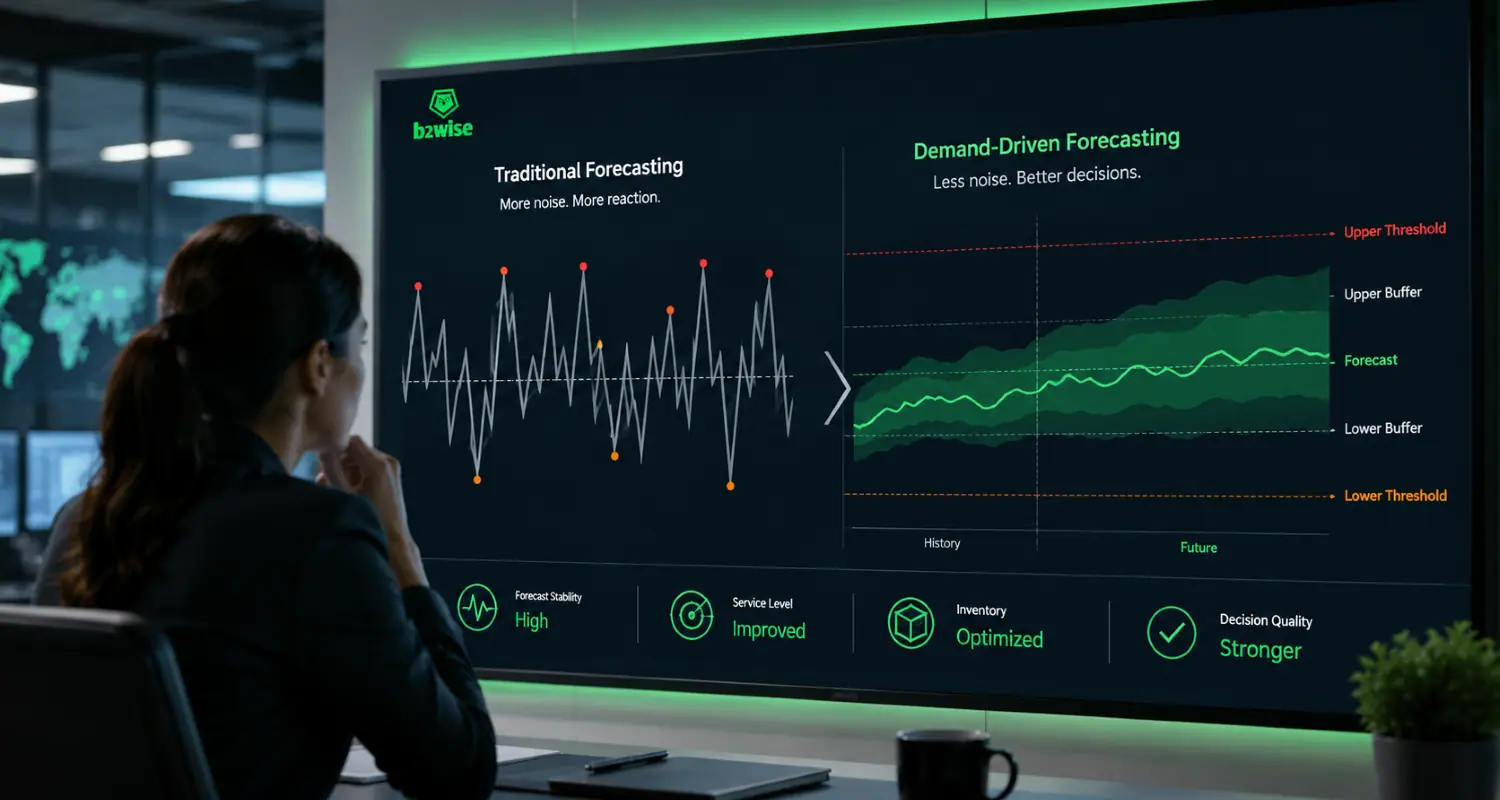
In this category, you will find articles explaining demand forecasting, demand planning, forecast accuracy, stable forecasts, demand signals and the difference between planning from predictions and planning from real consumption.

The goal is to help planners and supply chain leaders use forecasts in a smarter way: not as a perfect answer, but as one input among others to improve decisions, protect flow and reduce firefighting.

Featured article

Demand Planning y previsió
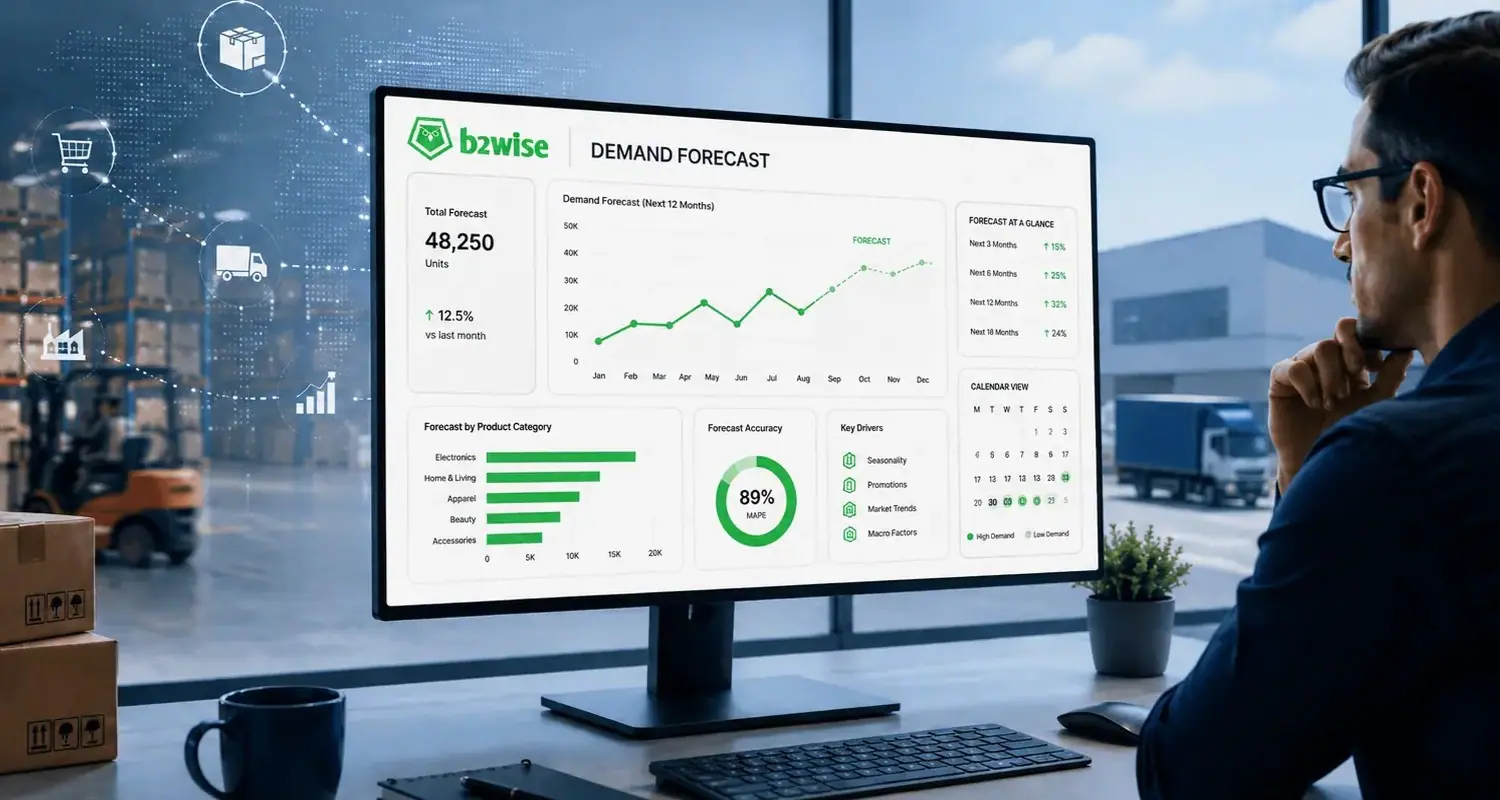
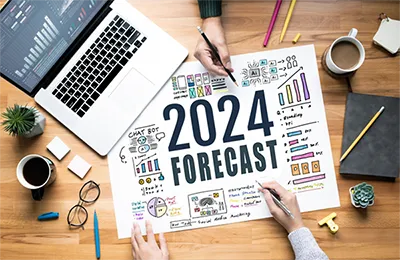
¿Qué es la previsión de la demanda? Guía completa
Descubre qué es la previsión de la demanda, por qué es importante, sus principales métodos, los desafíos más comunes y cómo crear previsiones más estables y accionables.
05/2026
Read article

Frequently Asked Questions

What is demand planning?
Demand planning is the process of estimating future demand and translating it into operational plans for supply, inventory, production and replenishment. It helps teams prepare for what customers are likely to need.
What is demand forecasting?
Demand forecasting uses historical data, market information and statistical or AI models to estimate future demand. It is an important input for planning, but it should not be the only driver of replenishment decisions.
What is the difference between demand planning and demand forecasting?
Demand forecasting focuses on predicting future demand. Demand planning uses that forecast, along with business context, inventory constraints and operational priorities, to support better supply chain decisions.
Why is forecast accuracy not enough?
Forecast accuracy matters, but even accurate forecasts can become outdated when markets change. Companies also need demand signals, buffer status and flexible planning rules to respond to reality as it changes.
How can demand planning reduce stockouts?
Demand planning helps anticipate future needs, but it becomes more effective when combined with real demand signals and replenishment priorities. This helps teams act before critical items run out.
Ready to transform your supply chain performance?
See how demand driven planning can improve service, reduce inventory, and free up cash.